
Quick answer
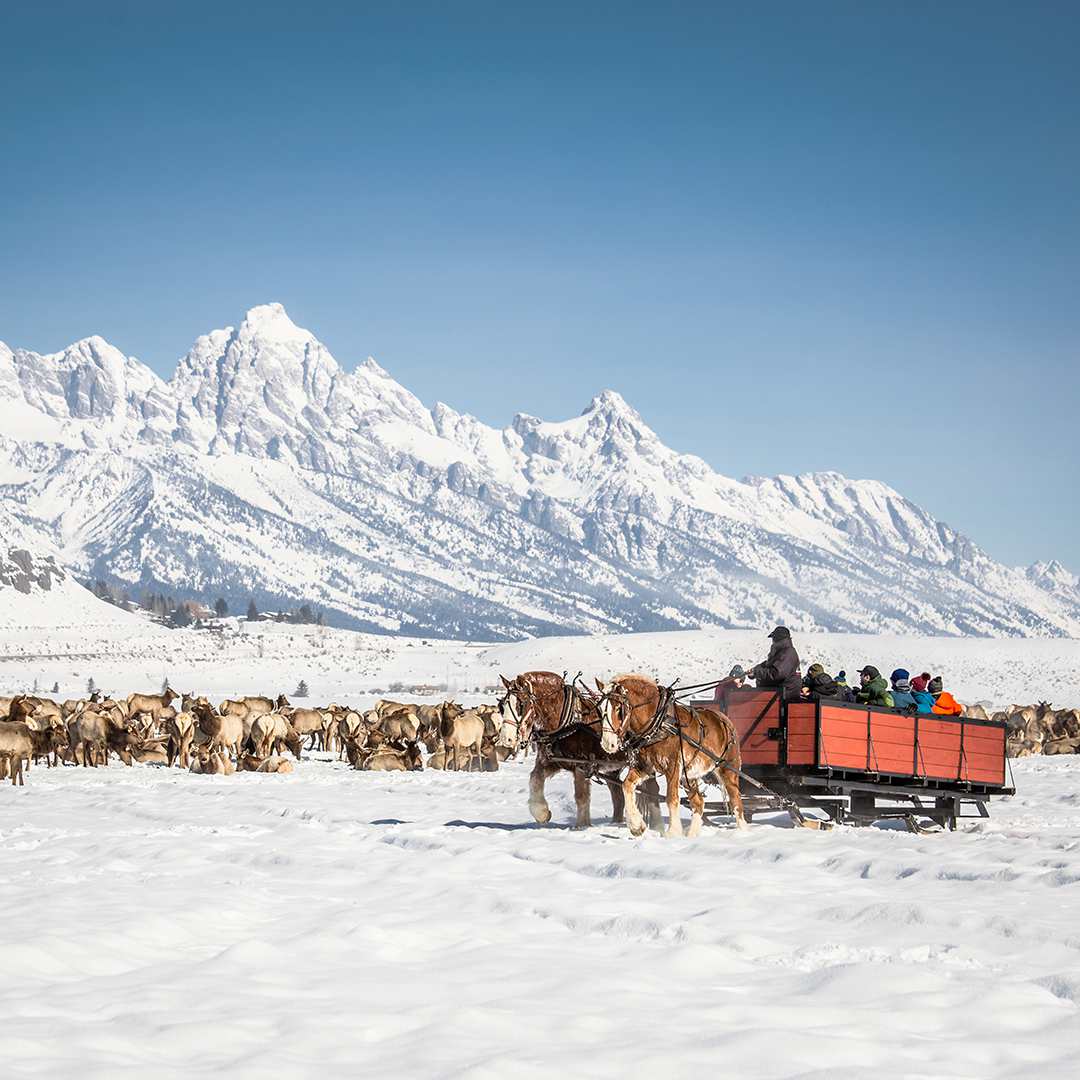
National elk refuge sleigh rides photos benefit most from a 70–200 mm or equivalent telephoto lens, shutter speeds above 1/500 to freeze motion on the moving sleigh, and departure between ten and noon when the sun is high enough to prevent harsh side shadows across the herd. Sit on the side facing east or northeast for front-lit elk and minimal sleigh-rail obstruction. The refuge's flat snowfields allow unobstructed horizon lines, but autofocus can hunt in uniform white scenes—switch to back-button focus or single-point manual override.
Each winter the National Elk Refuge supports between five and seven thousand elk, and the horse-drawn sleigh route cuts within fifty yards of scattered subherds. Capturing national elk refuge sleigh rides photos means planning for livestock in motion, unstable tripod conditions—you are on wooden runners—and sub-zero temperatures that drain batteries in minutes. The ride lasts forty-five minutes, and the herd spacing changes daily depending on forage and weather, so composition is a mix of anticipation and quick manual focus correction. Morning light between ten and noon reduces the blue cast that snow reflects from open sky, and the sun angle stays low enough in December and January to model the elk without washing out fur detail. Bring a polarizing filter to cut glare from snowfields, but rotate it carefully—over-polarization turns winter scenes an unnatural cyan. ISO performance matters more than megapixel count; the sleigh vibrates on uneven snow, and shutter speeds below 1/500 introduce motion blur even with image stabilization. A monopod helps, though space on the bench is tight and fellow riders will be leaning for their own frames. Elk behavior peaks in the refuge during mid-winter, when bulls retain partial antler racks and cows cluster for thermal efficiency. The animals tolerate sleighs because the route is consistent and the horses move at walking speed, but sudden movement or lens glint can scatter a group. Sit still, use a neck strap instead of reaching for a bag, and pre-set exposure compensation to +1 or +1.3 stops to prevent the camera from underexposing snow as mid-gray. The Jackson Hole valley backdrop—the Gros Ventre Range to the east—appears in most wide compositions, so a circular polarizer also deepens the sky contrast behind the peaks. Photographing wildlife from a moving platform requires Zone AF rather than single-point tracking, and back-button focus prevents the shutter from hunting when you recompose. Dress in layers that allow access to camera controls without removing gloves; touchscreens fail below fifteen degrees Fahrenheit, and mechanical dials frost over. Carry spare batteries inside your coat, swap them every twenty minutes, and exhale away from the viewfinder to prevent condensation freeze. The refuge operates daily from ten to four during sleigh season, and the last rides depart at three, giving you five daylight departure windows with different shadow lengths and herd positioning.
“The sleigh vibrates on uneven snow, and shutter speeds below 1/500 introduce motion blur even with image stabilization.”
Capturing National Elk Refuge Sleigh Rides Photos
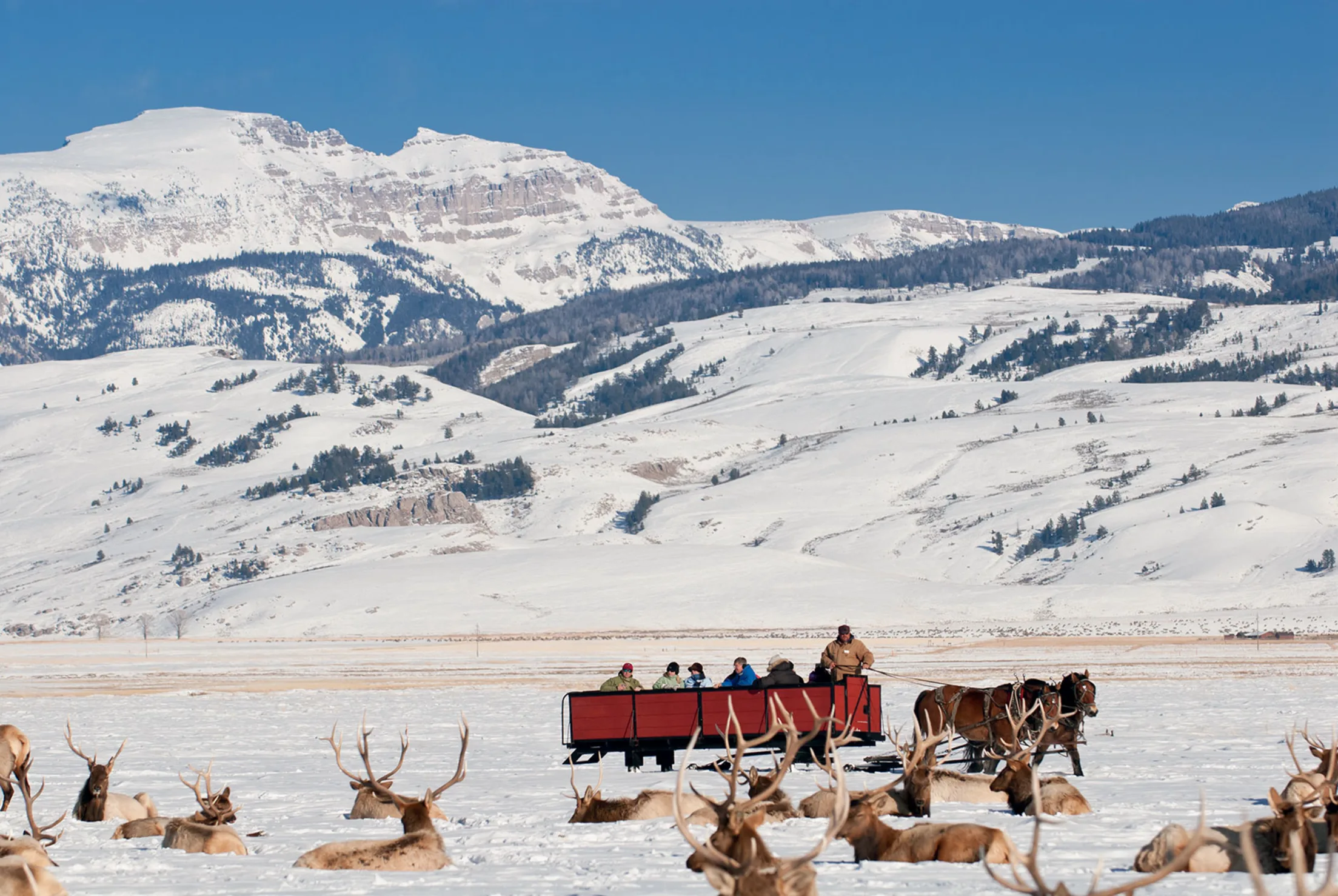
Sleigh Front View
Position yourself toward the front of the sleigh for an unobstructed view of the lead horses and the expansive herd ahead. Use a telephoto lens to compress the distance between the elk and the mountains.
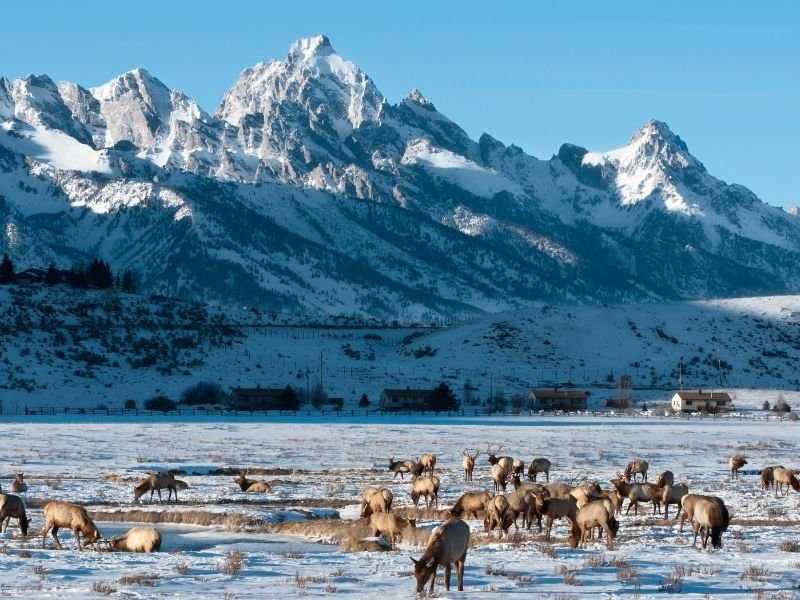
Mountain Backdrop Angle
Focus your camera on the Teton Range framing the elk herds as the sleigh moves across the valley floor. Keep your shutter speed high to compensate for movement.
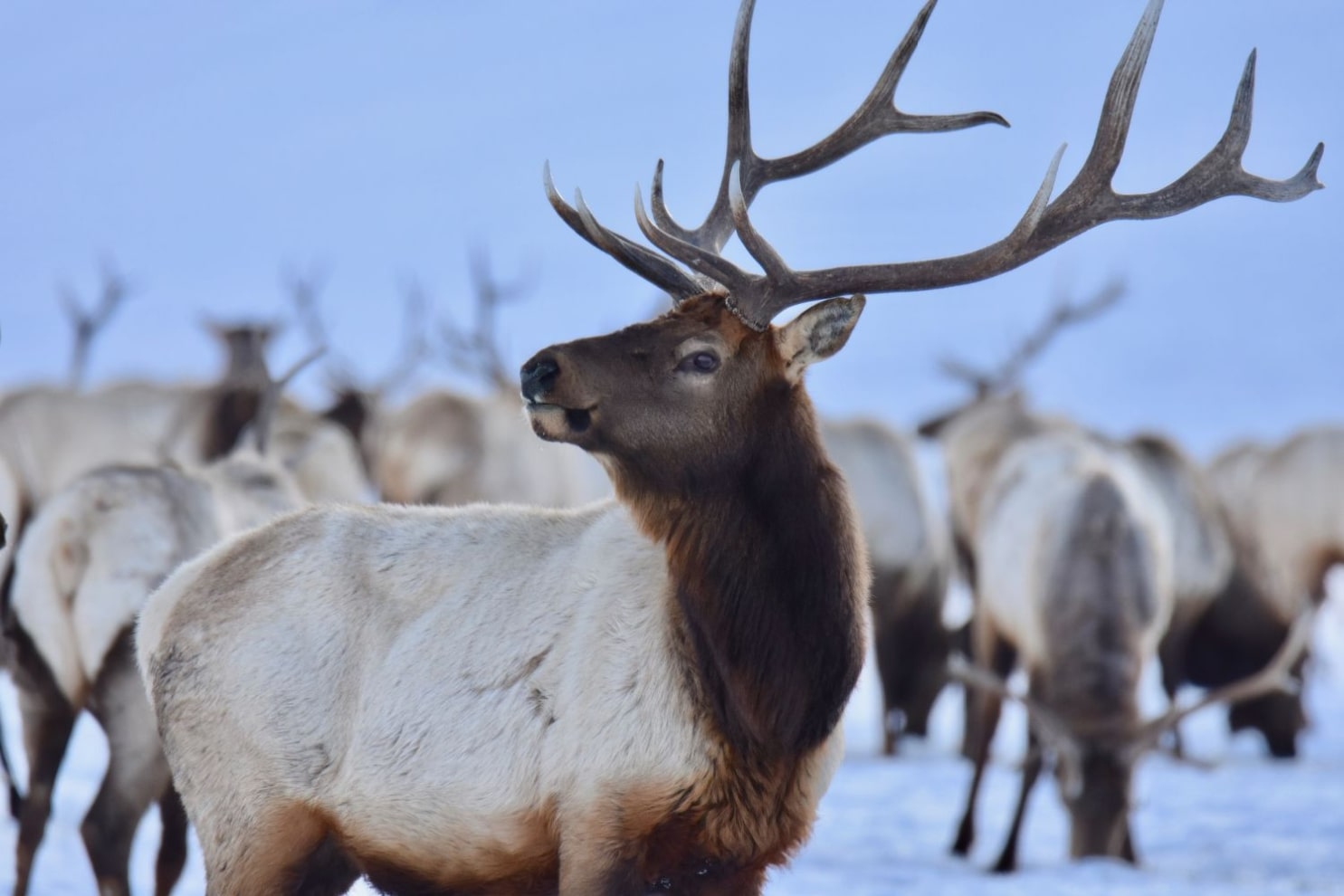
Wildlife Portraits
Capture portraits of individual elk or small groups using a narrow depth of field to soften the background. Remain seated and follow the guide's instructions regarding wildlife proximity.
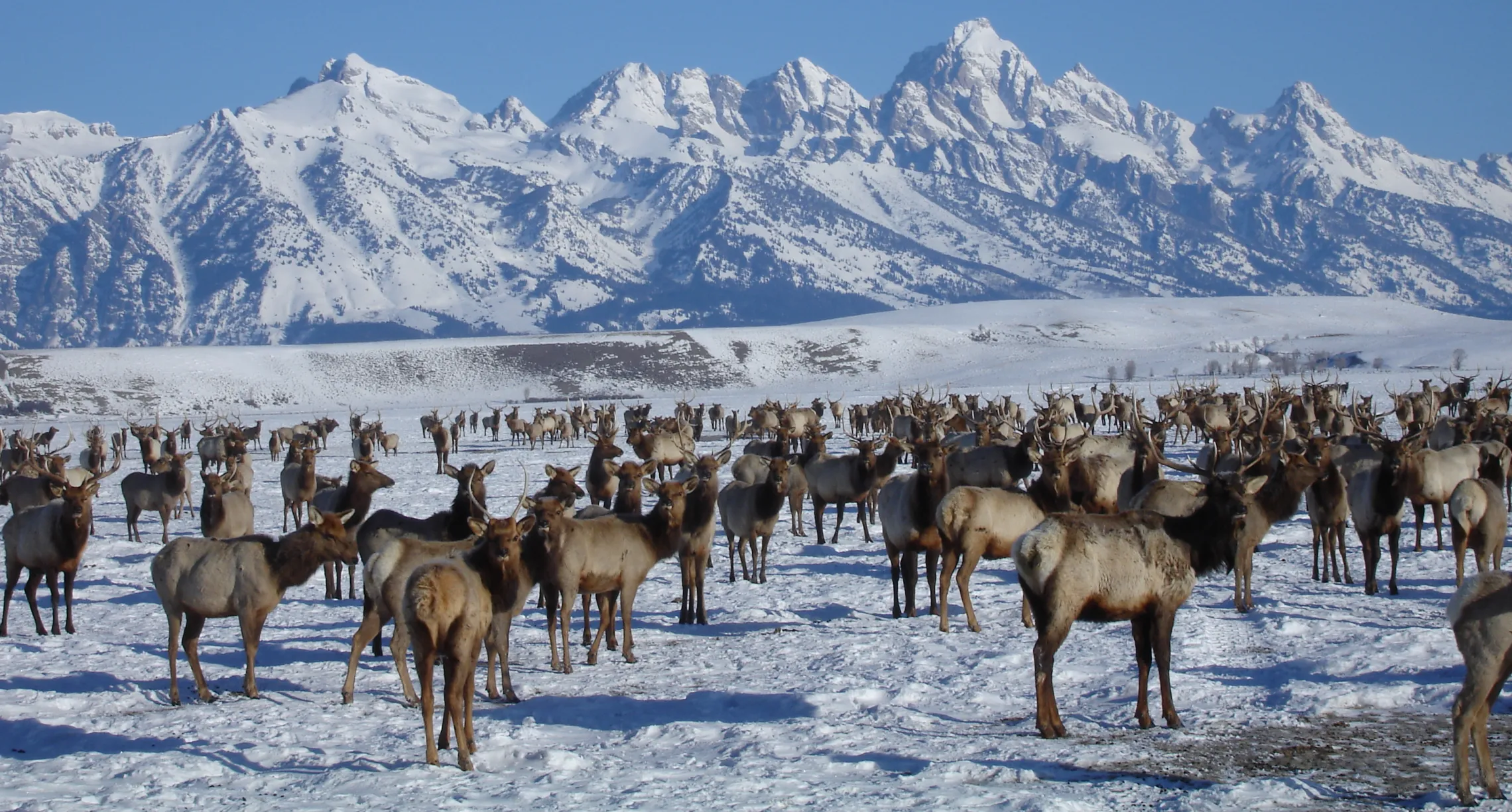
Wide Valley Panorama
Frame the vast, snow-covered plains of the refuge to emphasize the scale of the migration against the horizon. Use a landscape orientation to capture the sweeping terrain.
Best Time of Day for National Elk Refuge Sleigh Rides Photos
The best time for photography is the 10:00–15:00 window, which provides consistent light for capturing elk herds against the winter landscape. Planning your visit during the heart of the winter season optimizes wildlife sightings when snowpack forces elk to congregate.
Mid-January to February
ModerateCold, 15°F to 25°F
Snow cover is deepest, ensuring large herd concentrations near the sleigh paths.
Weekday mornings
Light—
Fewer guests allow for more consistent positioning during the ride to frame subjects.
Late season (March)
HighVariable, 20°F to 35°F
As winter wanes, wildlife may begin dispersing toward higher elevations.
Verdict: For the best photo conditions, visit Tuesday to Thursday between 10:00 and 12:00 during the peak of January or February.
Opening Hours for National Elk Refuge Sleigh Rides
The National Elk Refuge sleigh rides operate daily throughout the season. These hours provide a consistent schedule for planning your visit.
| Monday | 10:00–16:00 | |
|---|---|---|
| Tuesday | 10:00–16:00 | |
| Wednesday | 10:00–16:00 | |
| Thursday | 10:00–16:00 | |
| Friday | 10:00–16:00 | |
| Saturday | 10:00–16:00 | |
| Sunday | 10:00–16:00 |
Admission and Ticket Information for National Elk Refuge Sleigh Rides
Access to the National Elk Refuge grounds is free of charge. Sleigh rides are managed as a separate activity and require a paid ticket to participate.
Adults pay the current excursion rate, which is determined by the official operator at the time of booking.
Getting to the Location for National Elk Refuge Sleigh Rides Photos
The National Elk Refuge sleigh ride departure point is located at 532 North Cache Street in Jackson, Wyoming. Visitors typically access this site via vehicle or local transit options serving the downtown Jackson area.
US-191/89 to North Cache Street
START Bus to North Cache Street stop
From Jackson Town Square along North Cache Street
Conduct Rules for National Elk Refuge Sleigh Rides Photos
Photographing elk from the sleigh requires respect for wildlife and adherence to refuge rules. Following conduct guidelines protects both the herd and your experience.
Do
- Turn off your camera flash before boarding
- Stay seated on the sleigh at all times
- Use a telephoto lens for close-up shots
- Dress in layers for cold weather photography
- Keep noise levels low to avoid startling elk
Don't
- Don't use flash photography—it disturbs the animals
- Don't stand or lean out of the sleigh
- Don't attempt to touch or feed the elk
- Don't disembark until the guide signals it's safe
- Don't bring large camera equipment that obstructs other passengers
Check availability
Frequently Asked Questions About National Elk Refuge Sleigh Rides
Everything you need to know about national elk refuge sleigh rides photos